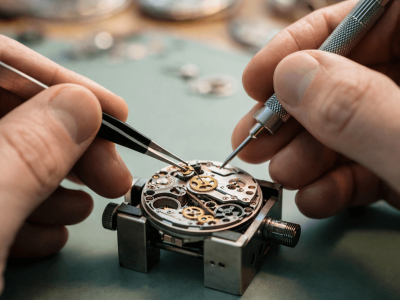
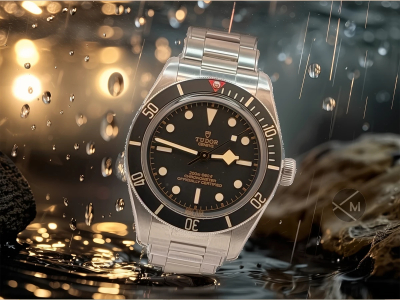
Water resistance of wristwatches: what you should really check before summer
We often say that a watch is waterproof the way we speak of summer clothing: with confidence, sometimes with lightness. And yet water grants nothing to habit. Before the sea, the pool and the first swims, a watch deserves better than an assumption: it deserves a check.

Before summer, never assume that a watch still marked as “water-resistant” is still genuinely protected. Seals age, the crown may lose efficiency, an old shock may have weakened the case, and a recent opening may have altered the watch’s resistance to water. Before the sea, the swimming pool or the holidays, a water-resistance check helps prevent moisture ingress that could damage the dial, hands or movement.
We often talk about a water-resistant watch with the same confidence as we would about summer clothing: because it has already been in the sea, because it survived the pool the previous year, or because a reassuring figure is still engraved on the caseback. Yet a watch’s water resistance is not an everlasting promise. It depends on its actual condition, age, maintenance history, seals, crown, crystal and sometimes on details that cannot be seen with the naked eye.
Before the first swim of the season, a watch therefore deserves more than an assumption. It deserves a proper technical look, especially if it is going to spend the summer near water.
A watch’s water resistance is never permanent
There is, in the cheerful return of sunny days, a kind of happy forgetfulness. We take out a dive watch, an Omega Seamaster worn the previous year, a Rolex Submariner we still believe to be ready, a sports watch or a holiday watch whose metal bracelet looks so good in the sun. And we almost naturally assume that what resisted yesterday will resist tomorrow.
That is exactly where the misunderstanding begins. A watch is not more vulnerable in July than in January, but summer suddenly brings together all the uses that put its water resistance to the test: the sea, the pool, sunscreen, heat, thermal shocks, crown manipulation, salt, sand, repeated swimming or an accidental fall into water.
Water does not need a large opening to enter a watch. A weakened seal, an incorrectly screwed-down crown, a case opened a few months earlier, a battery change carried out without an appropriate check, a micro-deformation after a shock or natural ageing can be enough to compromise water resistance.
What “water-resistant” really means on a watch
In everyday language, we often say that a watch is “waterproof”. In watchmaking, it is more accurate to speak of water resistance. The distinction matters: an indication in metres or bars does not mean that the watch can be used in every aquatic situation.
A watch marked 3 bar / 30 m should not be considered suitable for swimming. It is generally designed for splashes, rain or accidental contact with water. At 5 bar / 50 m, moderate use may be acceptable depending on the brand and the actual condition of the watch. At 10 bar / 100 m, swimming becomes more realistic, provided the watch has been checked recently. Diving, however, requires watches specifically designed and tested for that purpose.
The essential point is simple: the inscription engraved on the caseback indicates a theoretical capacity at a given moment, not an absolute guarantee several years later. The condition of the seals, case, crown, crystal and caseback matters just as much as the number displayed.
At Mostra, this approach is summarised in the water-resistance chart used as a technical reference to better understand possible uses according to a watch’s level of water resistance.

Sea, pool, shower: water does not only attack through depth
We often imagine that the main risk for a watch comes from depth. In reality, the most dangerous situations are sometimes much more ordinary. A hot shower, a hammam, a jacuzzi, a crown handled while the watch is wet, a pusher activated too quickly or a thermal shock can be more problematic than a short swim at the surface.
Heat expands materials, steam can penetrate more easily than cold, calm water, salt attacks seals and metal parts, chlorine is never neutral, and temperature changes gradually tire the whole case / crystal / crown assembly. A watch may cope perfectly well with everyday life without being designed to withstand bathroom steam or prolonged bathing.
The right habits before and after swimming
A few simple habits can help reduce the risks:
- check that the crown is properly pushed in or screwed down before any exposure to water;
- never operate the crown or pushers while the watch is wet;
- avoid hot showers, hammams, saunas and jacuzzis;
- rinse the watch with fresh water after swimming in the sea;
- have the water resistance checked if the watch has received a shock or has recently been opened;
- remain cautious with older watches, even when they belong to families historically associated with diving.
Summer does not create the risk: it simply makes it more frequent.
Sapphire crystal or plexiglass: two different relationships with water and time
A watch crystal often says a lot about its era. Modern watches very widely use sapphire crystal, valued for its scratch resistance and stability over time. On a recent watch intended to be worn regularly, especially a sports watch or contemporary dive watch, it offers real peace of mind.
Plexiglass, sometimes referred to as Hesalite depending on the brand and context, belongs more to an older watchmaking culture. It gives vintage watches a softer visual presence, a warmer profile and a very specific character. It marks more easily, but remains perfectly coherent with many older watches when the aim is to preserve their original logic.
The question is therefore not simply whether one crystal is “better” than another. It depends above all on use. A modern dive watch with sapphire crystal will generally be more reassuring for the summer season. An older watch with plexiglass will often require greater caution, not because of the crystal alone, but because the entire watch — case, seals, crown, caseback, age and service history — must be considered.

The main watchmaking solutions for resisting water
A watch’s water resistance is not just a seal placed inside a case. It is a complete architecture in which each element plays a role: caseback, crown, crystal, seals, case construction, bezel, pushers and sometimes specific devices related to diving.
The screwed caseback and secured crown
The first major watchmaking answer remains the closed and secured case. The principle is simple: reduce possible entry points and strengthen sensitive areas. The screw-down caseback, screw-down crown and seal systems have enabled sports watches and dive watches to become more reliable over time.
The Rolex Oyster historically marked this search for a better-protected case. Later, models such as the Submariner extended this logic with a construction designed around water, legibility and robustness.
Compressor cases and underwater exploration watches
Other watchmakers explored different solutions, notably compressor-type cases, associated with certain underwater exploration watches. These architectures contributed to the personality of models such as the Longines Legend Diver or some historic dive watches equipped with internal bezels and specific crowns.
These systems remind us that water resistance has never had a single answer. Each brand, each era and each use case has produced different technical solutions.
The modern dive watch
The modern dive watch combines several now-familiar codes: rotating bezel, strong legibility, luminous markers, protected crown, robust case and reliable movement. Models such as the Blancpain Fifty Fathoms, Rolex Submariner, DOXA SUB or Tudor Pelagos each embody a stage in this technical culture.
But even a recognised dive watch must be considered in its actual condition. An older watch, a piece that has not been serviced for a long time or a watch with an uncertain history should not be exposed to water simply because the model itself is famous.
The helium valve and extreme diving
When leaving swimming and classic diving behind to enter saturation diving, other constraints appear. The helium valve, notably associated with certain watches such as the Rolex Sea-Dweller or Tudor Pelagos, addresses a very specific issue: allowing helium accumulated inside the case to escape under extreme conditions.
For everyday use, this technology belongs more to watchmaking culture than to a real practical need. Above all, it shows how far horology has pushed the question of protecting a movement against the most demanding environments.
A few iconic watches to understand the history of water resistance
If we had to summarise the history of water-resistant watches in a few silhouettes, we could begin with the Rolex Oyster, because it helped popularise the idea of a wristwatch better protected against water. We would then move on to the Blancpain Fifty Fathoms, often cited as one of the great foundations of the modern dive watch.
The Rolex Submariner then embodies the dive watch that became a universal icon, as present in the imagination of collectors as in that of the elegant sports watch. The Longines Legend Diver recalls the culture of compressor cases, while the Tudor Pelagos, Rolex Sea-Dweller and certain Ralf Tech models extend a more instrumental vision of the dive watch.
All these watches respond to the same obsession: protecting a movement against water without taking away the watch’s legibility, robustness or identity.
Why have your watch checked before the summer season?
The real question is not: “Was my watch water-resistant when it left the factory?” The real question is: “Is it still water-resistant today, in the actual condition in which I wear it?”
Before summer, a check is particularly useful if your watch has not been tested for a long time, if it has received a shock, if it has been opened for an intervention, if its battery has recently been changed, if it is vintage, or if you are simply planning to swim with it while its last check dates back more than one season.
To better understand the principle of an in-workshop check, you can read our dedicated article on watch water-resistance testing and pressure testing. This article explains the role of pressure testing, the situations in which it is recommended and the precautions to take before exposing a watch to water.
The right timing is simple: it is better to have your watch checked before the first swim than after the first moisture ingress.
What should you do if your watch has fallen into water?
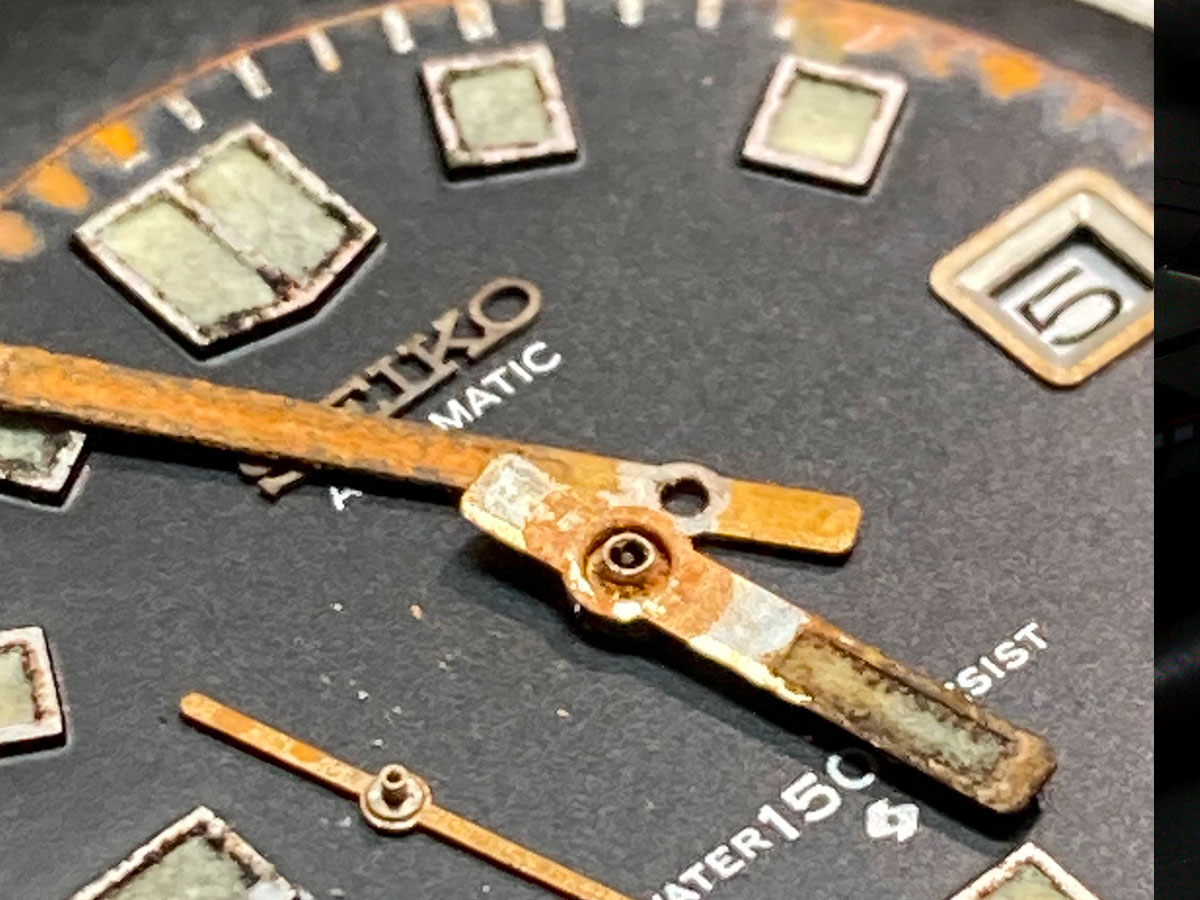
This is the situation everyone hopes to avoid. If your watch has fallen into water while it is not water-resistant, or if its water resistance has not been checked recently, the first reflex should be caution.
Do not operate the crown or pushers if the watch is wet. Do not try to dry it on a radiator, in the sun or with an improvised method. If fog appears under the crystal, if water is visible inside the case or if you suspect moisture ingress, you should consult a workshop quickly.
The longer water remains inside a watch, the more it can attack the dial, hands, movement and certain metal components. In this area, time does not improve things: it often makes the damage worse.
If moisture ingress is suspected, the future page dedicated to watch repair in Aix-en-Provence can become the priority link to guide the user towards the right service. Until then, this article should remain focused on prevention before summer, without turning into a repair page.
Vintage watches, dive watches and holidays: caution comes first
Older watches deserve particular attention. A vintage watch may originally have been designed to resist water, but that does not mean it should still be used as a swimming watch several decades later. Its history, successive openings, seals, crystal, crown and case condition completely change how its water resistance should be assessed.
The same caution applies to certain antiques watches worn more for pleasure than necessity. A beautiful vintage dive watch may evoke water, the sea and professional instruments, while today requiring much more measured use.
Conversely, a recent, well-maintained and checked watch can accompany the holidays more serenely, provided the limits set by its manufacturer are respected and the right habits are not forgotten after swimming.
Mostra supports you before summer in Aix-en-Provence
As summer approaches, having your watch’s water resistance checked is not excessive caution. It is a simple way to avoid costly mistakes. A modern dive watch, a quartz holiday watch, a vintage piece you care too much about to risk, or a sports watch worn every day can all benefit from being checked before the sea or the pool.
At Mostra Store, in Aix-en-Provence, the workshop supports this type of verification with a clear logic: assessing the watch as it really is today, not as it was when it left the factory. To discover the full range of services offered, you can visit the page dedicated to the Mostra Store watchmaking workshop.
This check is often discreet. But it can prevent a much heavier repair.

Related products
Academie Veteran Bronze
Black Bay 58 Stainless-Steel Black Dial
J 12 Black Dial with Diamonds

fifty fathoms cousteau

J12 Lady Quartz White Small Size

Luminor Marina Left Hand

Seamaster Diver Black Dial Fullset
pro-diver 200 fluo arsenal de toulon

Rolex Sea-Dweller 16600 Pre-Owned Y-Series 2003
Sea-Dweller Big Valve Vintage

submarimer snowflake

62MAS Hashigo Dressed

marine nationale submariner snowflake

Luminor GMT 1950 fullset limited

submariner 5513 big crown & guards acrylic domed

us military seal team type 1

casm commando hubert

navigator type 3 class 1

Constellation Marine Chronometer Tabarly

ds-2 super ph-1000 pro-dive

Superocean Porsche Design Bund 3529 Military Combat Diver

Seamaster 300 COSC

rn-300 diver

superman cadran bleu

super kontiki

submariner meter first

Yatchmaster lady 37 mm

armée de terre 1994 luminova

Submariner 1680 Four Lines
astro caribbean

WRB Blue Dial - Diving and nautic sports

Navygraf Chronograph Blue Automatic Date - full set

WRV Marine Nationale Squad

Submariner Tropical Purple Gold & Steel

submariner 16610 pre-owned stainless steel

resa

submariner 5513 tritium

Submariner Prince mercedes watch

seamaster 300 vintage 165.014

Submariner 4 Lines

Seamaster 300 Noire White Gold Bezel

Seamaster Blue Dial Diver 300 M
J12 Automatic 39 mm Black

J12 Ceram Lady Small White 33 mm

Submariner Date Vintage

J12 Quartz Small White Dial

The Beast Manufacture First Edition

WRB Blue Ocean Automatic 39 mm
The Beast Electric Original Limited Edition Fullset

Semaster 300 Blue Coaxial

Aquaracer 43 mm Brown
Submariner Marine Nationale Snowflake

Sea-Dweller 4000 fts Tritium Dial
Yatch-Master 42 Oysterflex

Black Bay GMT 58
Submariner Date Starbucks

Sea-Dweller Tritium
J-12 Quartz 33 mm Black Ceram for lady

J-12 Black Small Size for lady

Sea-Dweller Double Red
Ranger 39 Black Dial
Seamaster Titanium Chronograph
Submariner 5513 Big crown & Guards
Submariner Meters First Melt on the Wrist
submariner tritium dial

submariner tritium full-set

WRB Automatic Diver First Edition
WRB Tundra Automatic
WRB Original Automatic
WRB Black First Edition Automatic
Submariner 2 lines COSC Four Lines
Submariner No date Tritium
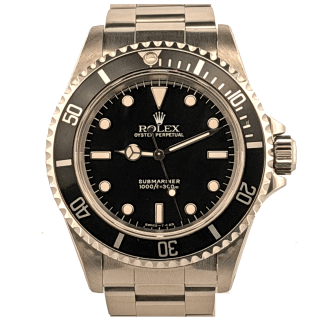
Submariner Date 4 lignes Tritium Dial
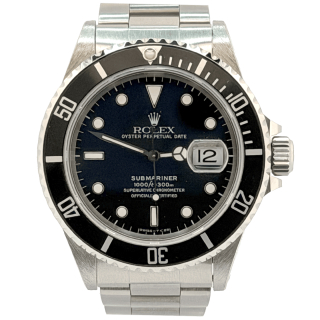
Seamaster Planet Ocean Chronographe Coaxial Chronometer Date
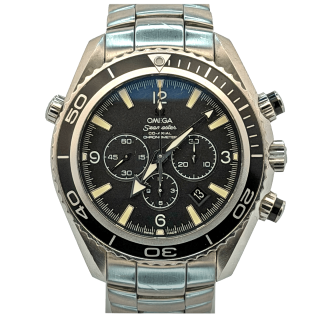
Seamaster 007 SKYFALL Aqua Terra James Bond Full-set
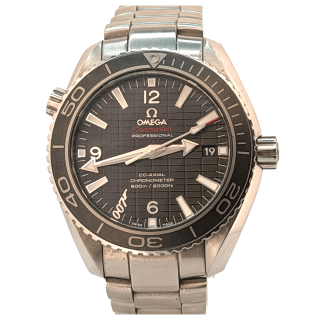
Seamaster Spectre 007 James Bond
Academie Veteran Automatic
Academie Bronze Royale
Seamaster 300 sixties
WRB Original Automatic
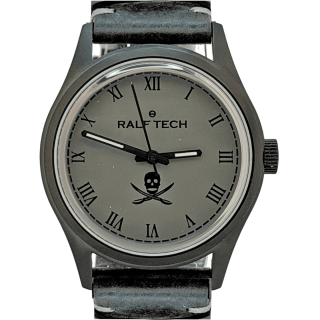
Academie Black Pirates Shadow
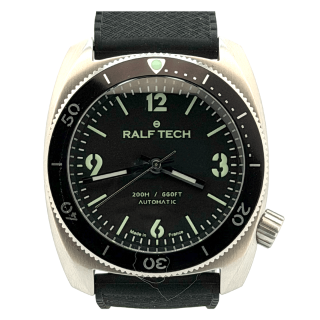
WRB Automatic First Edition
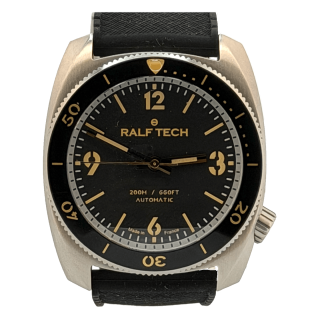
WRB Automatic Original Metal
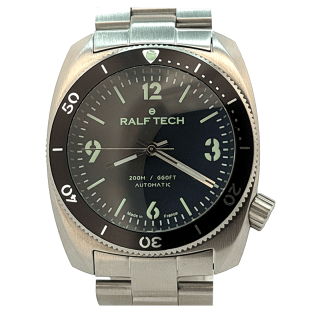
WRB Ocean Automatic Metal
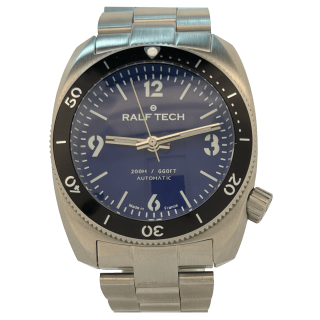
Submariner Date Stainless Steel
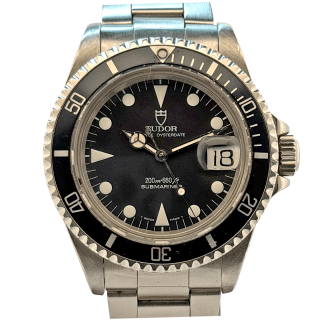
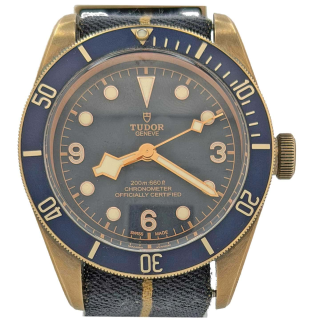
Heritage Black Bay Bronze 41 Bucherer
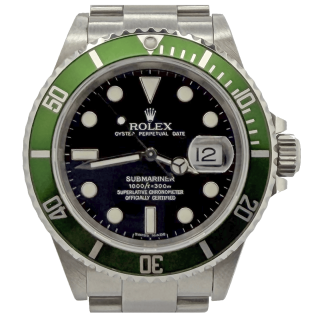
Submariner Kermit Mark III B4
Explorer 2 white Dial Paper set
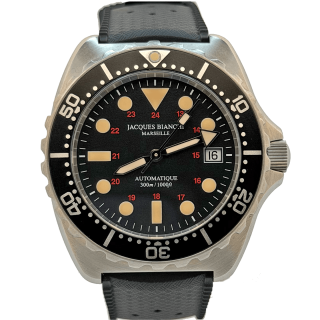
Jacques Bianchi JB 300 Fullset
Share this content