


Omega
Speedmaster Panda Apollo XI Dial - 35th Anniversary White GMT Dial
| Case | Steel |
|---|---|
| Diameter | 42 mm |
| Strap | Steel Strap |
| Movement | Hand-wound |
|---|---|
| Caliber | Omega c-1861 |
| Content | Mostra case |
-
Diameter42 mm
-
MovementHand-wound
-
CaseSteel
-
StrapSteel Strap
-
ContentMostra case
-
GenderMan
-
Gender for GoogleMan
-
AgeAdult
-
WaterproofingWaterproof
-
Year2004
-
ModelProfessional Moonwatch
-
Version35th Anniversary White GMT Dial
-
Manufacturer reference3570.50
-
Certificate of authenticityYes
-
Mostra referenceMS0619100
-
CaliberOmega c-1861
-
Number of rubies18
-
Glass typePlexiglass
-
DialBlanc 35th Anniversary Blanc de Remplacement (pièce Oméga d'origine)
-
LoopNATO Omega
-
Strap typeBracelet NATO Omega
-
Strap colorNoir
-
SpecificitiesMoonwatch upgradée par un concessionaire de la marque avec un cadran 35th. Anniversary
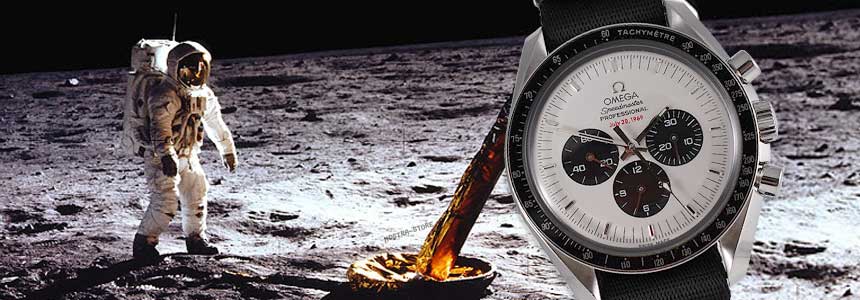
omega speedmaster, white pearl Panda dial from 2004, omega watch Speedmaster fitted with a service dial “Eagle has Landed”, originating from a service dial reassembly by an official Omega dealer in Finland. Collector’s steel watch with a 42 mm screw-down caseback, water-resistant to 5 ATM with special caseback engravings. Manual-winding mechanical movement calibre Omega 1861 Rhodium type B5, small seconds chronograph with Stop and Go function. White NASA Luminova dial, large central flat seconds hand and baton-style hour and minute hands with Luminova coating. Fixed tachymeter bezel type B5-dot Beneath 70-Style 1 surrounding Hesalite category A glass. The three chronograph subdials for hours, minutes and seconds are positioned for optimal legibility.
The Omega C-1861 movement beats at 21,600 vibrations per hour with a flat "Glucydur" hairspring that transmits 6 beats per second to the central seconds hand. Developed by Omega from the Lemania 1873 base calibre, one of its unique features is its ability to be set in “Stop-Seconds” mode when adjusting the time in a counterclockwise direction—an extremely useful function for synchronizing with onboard instruments or a reference time signal.
The tri-compax cam-operated chronograph functions in “Stop & Go” mode: the chronograph starts timing with the upper pusher at 2 o'clock, stops with the lower pusher, resumes timing again with the top pusher, or resets with the lower one. The total time that can be measured is up to twelve hours, fifty-nine minutes and fifty-nine seconds. The left-hand subdial displays continuous small seconds, the right one tracks 30 minutes, and the bottom subdial counts up to 12 hours. Of note: the movement is operational from the very first turn of the crown. After a full wind of approximately 20 rotations, it offers a power reserve of about 42 hours.
The year 2004 was pivotal for Omega’s development of the Speedmaster line. It marked the personal commitment of Nicolas Hayek in promoting the model, including public appearances alongside the last man to walk on the Moon: NASA astronaut Eugene Cernan, commander of Apollo 17. After the departure of Jean-Claude Biver, former CEO and advocate of the 1997 NASA Missions editions, Omega shifted toward commemorative designs rather than experimental ones. This was also the era when the concept of the “Speedy Tuesday” series first emerged, along with selective country-specific releases such as the Japan Racing dial. Fitted here with a black NATO Omega strap, this watch would also pair beautifully with a black leather strap in a formal or dressy context. Its refined white dial also lends itself to nautical or smart-casual settings.
The Speedmaster is a multifunctional watch—aviation, motorsports, extreme environments. Its functions and vintage-chic appeal earned it legendary status since the early days of its release as a true iconic watch. You can explore exclusive stories and technical details that shaped its history on our Watch Stories page by following this link.
You will also like
-
-
-
-
-
-
-
-


