


Omega
speedmaster mk2 vintage - Japan Racing Edition
| Case | Steel |
|---|---|
| Diameter | 42 X 45 mm |
| Strap | Steel Strap |
| Movement | Hand-wound |
|---|---|
| Caliber | Omega c-861 |
| Content | Mostra case |
-
Diameter42 X 45 mm
-
MovementHand-wound
-
CaseSteel
-
StrapSteel Strap
-
ContentMostra case
-
GenderMan
-
Gender for GoogleMan
-
AgeAdult
-
WaterproofingNot waterproof
-
Year1970
-
ModelProfessional MK2
-
VersionJapan Racing Edition
-
Manufacturer reference145.014
-
Certificate of authenticityYes
-
Mostra referenceMS0419055
-
CaliberOmega c-861
-
Number of rubies17
-
Glass typeMineral
-
DialNoir et Orange type Japan Racing
-
LoopDeployante Omega d'origine
-
Strap typeSigné Omega, bracelet d'origine
-
Strap colorAcier
-
SpecificitiesCadran racing, tachymètre intégré sous le verre
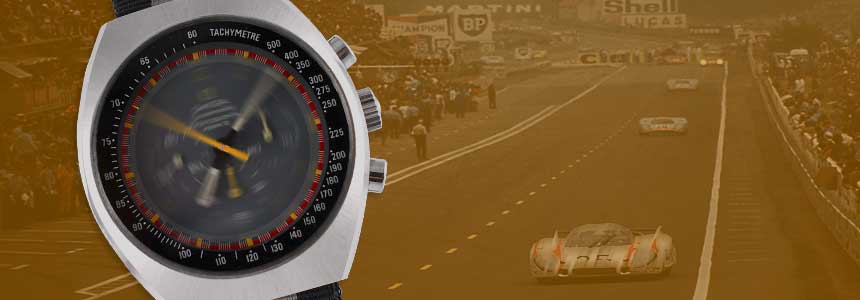
Omega Speedmaster Racing Mark II chronograph, vintage ST 145.014 from 1970 with a Japan Racing dial edition.
In 1969, at the height of the fame of its iconic Speedmaster model, Omega boldly anticipated a potential decline in the popularity of round-case watches (a trend that, in fact, never truly happened). In the industrial design world, the 1970s brought significant changes in shapes, colors, and aesthetic codes, influenced by a new wave of designers (such as Eero Aarnio and his famous Ball Chair). Pop art and space-age design began to dominate. While the Apollo program was in full swing, Omega disrupted the watchmaking norms by releasing a Speedmaster with a radical new shape—assertive and clearly avant-garde.
Riding the wave of tachymeter scales placed beneath the crystal, Omega embedded it in a bold, oblong-shaped case. This version features the Japan Racing dial—a specific series of the Omega Speedmaster Mark II released in 1970.
Aerodynamic case in satin-polished steel, 42 x 45 mm. Screw-down case back, water-resistant to 5 ATM, with engraved inscriptions. Manual-winding mechanical movement, Omega Calibre 1861 Rhodium type B5, a small seconds chronograph with Stop and Go function. Luminova grey dial with racing-style minute track. The central hands for hours, minutes, and seconds are characteristic of Omega’s pilot chronograph series from the 1970s (e.g., Flightmaster). The bright orange central seconds hand is also a hallmark of this line. The crystal protecting the dial is flat mineral glass—more scratch-resistant than the earlier Plexiglas version. Finally, the three totalizer subdials for hours, minutes, and seconds maintain the original layout.
Our "Watch History" page gives you access to stories about various watch brands and their iconic models.
You can also explore stories about watches worn by celebrities and public figures by following this link.
You will also like
-
-
-
-
-
-
-
-


