Jacques Brel and his Omega Speedmaster: the story of a passion
A passion that never leaves him
In 1964, Jacques Brel discovers a passion for flying—and for pilot watches. Inspired by a military chronograph during his first flight, he chooses the Omega Speedmaster, a timepiece that will accompany him through concerts, movies, and across the Pacific. A timeless bond between an artist and his tool of precision.
Love at first flight: Brel discovers aviation in 1964
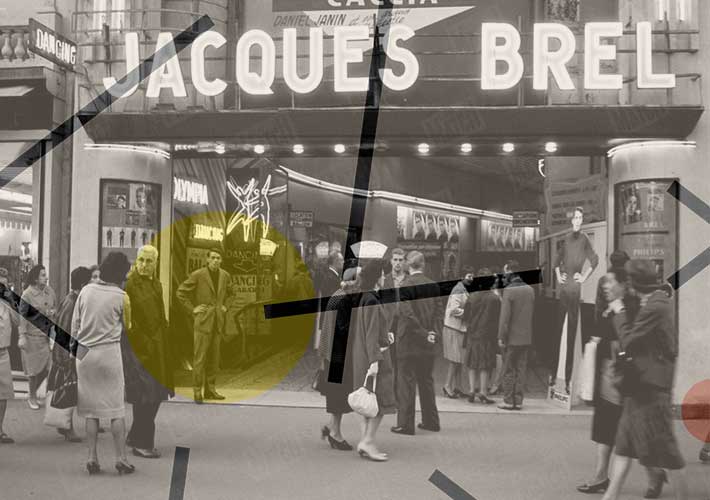
It's a beautiful love story that begins with a spark in 1964, when Jacques Brel discovers aviation. From Charleville to Biarritz, aboard a small Gardan GY-80 Horizon plane, he experiences a true turning point in his life. Captivated, he decides to earn his pilot's license—completed in 1965—and treats himself to a pilot’s chronograph.
A military pilot and his watch: the spark of inspiration
During flight instruction, Brel carefully observes his pilot, Paul Lepanse, a former French naval aviator. Lepanse, trained by the military, follows the textbook flying style—constantly operating his Auricoste Type 20 chronograph. It’s the pilot’s trusted tool, used for every flight, whether at Toussus le Noble or during test missions for Sud-Aviation.
Moved by this ritual, Brel quickly gathers all the required tools for flight training, but pays special attention to one in particular: a pilot chronograph. That small but vital instrument becomes essential in his new life in the skies.
The 1965 shift: space, pop art, and the future
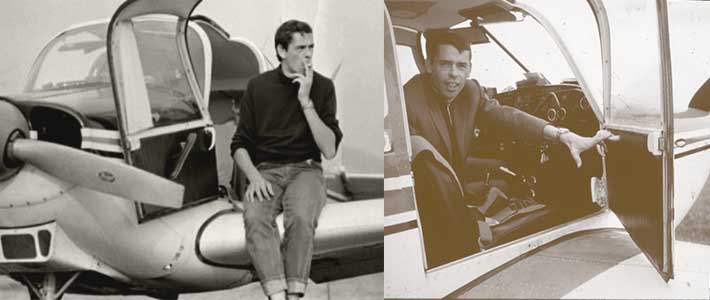
By 1965, the world is shifting. Long dresses are replaced by miniskirts, Pop Art is rising, and the future feels closer than ever. It’s also the age of exploration: Cousteau explores the ocean depths, Haroun Tazieff the volcanoes—and NASA takes on the stars.
The space race and the wristwatch
In the Gemini missions, astronauts wear chronographs—essential instruments for military-trained pilots. Like Brel’s own instructor, they rely on watches in flight. The bond is strong: Charles Conrad famously insisted on wearing both his official Omega Speedmaster and his personal Glycine Airman on NASA’s Gemini 5 mission.
The Speedmaster enters the cockpit
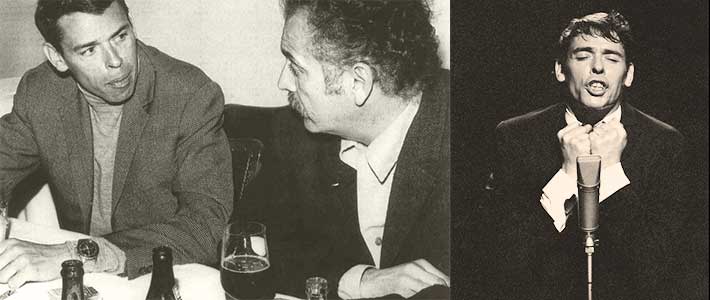
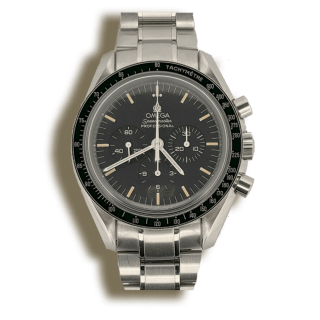
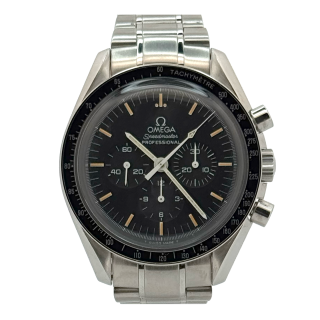
Inspired by NASA imagery, the aviation world—and Jacques Brel—discover the Omega Speedmaster. No unnecessary features, no clutter—just clear, legible timekeeping. White hands on a matte black dial. A tachymeter bezel. And a shockproof, temperature-resistant Omega 321 movement. The choice is made: Brel finds his lifelong companion.
A watch for the skies and the stage
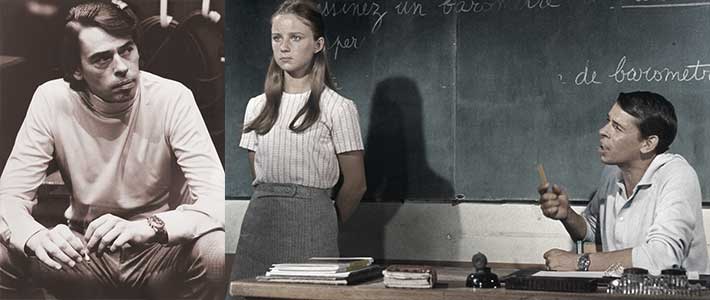
As Brel’s skills improve, the Speedmaster remains on his wrist. He performs recitals, shoots films, and logs flight hours. It’s not uncommon to see the watch in press photos or on screen—in 1969’s “The Risks of the Job,” for example, where he wears a 145.012 Speedmaster Pré-Moon with calibre 861. He also alternates with his earlier Omega Speedmaster 105.003, purchased during his pilot training, which houses the iconic calibre 321.
The Rolex interlude
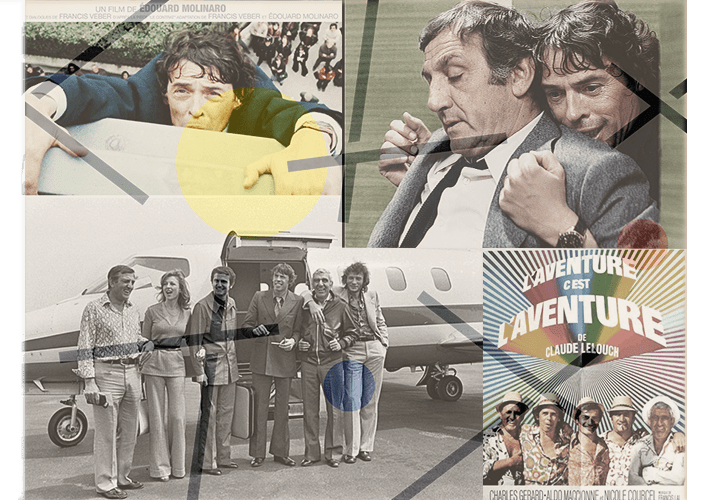
From 1972 to 1975, Brel occasionally appears with a Rolex GMT Master 1675: a gold case, brown dial, nipple indexes, and black leather strap. It’s visible in films like Claude Lelouch’s “L’Aventure, c’est l’aventure” and Édouard Molinaro’s “L’Emmerdeur.” But it never fully replaces his Speedmaster.
Farewell to the stage, not to the skies
In 1973, Brel retires from performing and sets sail on a world tour aboard the Askoy, a wooden Ketch with his family. The journey ends in the Marquesas, where illness forces him into a quiet retreat—but he continues to fly. He buys a Beechcraft Twin Bonanza, names it “Jojo,” and helps the local community by flying residents between Hiva-Oa and Tahiti.
His Speedmaster remains faithfully strapped to his wrist, accompanying every flight. That deep connection between man and chronograph becomes part of his legend—a partnership that endures to his last days. One could believe that his trusted chronograph guided him, in the end… toward his own unspeakable star.
Related products



Share this content