The British military W-10 watch: A Cold War icon of the 1970s
...from the end of the Seventies
W-10, the British military icon of the Cold War
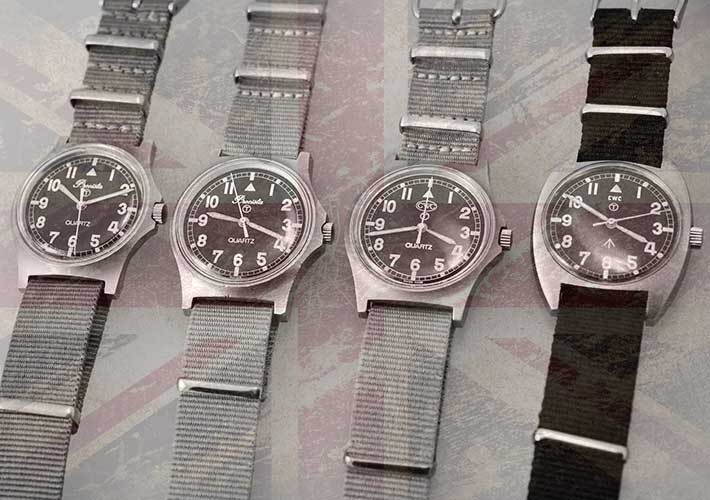
The W-10 is a key symbol of British military watchmaking. Designed in the 1970s to replace aging WWII-era timepieces, it was produced by Hamilton, then CWC and Precista. Known for its rugged construction, quartz evolution, and exclusive military variants, the W-10 became the last issued watch truly used in combat. Today, it’s a highly sought-after collectible among vintage watch enthusiasts and fashion circles alike.
A military watch born from necessity
By the late 1970s, most British military watches were outdated. Many were still models from the 1950s or even WWII, like the legendary “Dirty Dozen” commissioned by Winston Churchill. While reliable, these watches were facing increasing maintenance challenges.
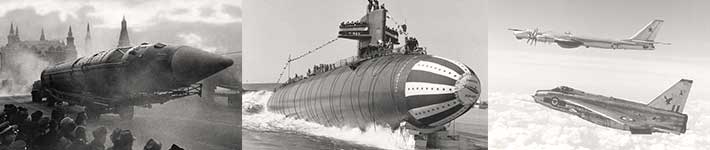
Meanwhile, military technology and operations had evolved. The Cold War redefined strategic needs: Britain became NATO’s sentinel on the northwestern flank, tasked with monitoring the North Sea — the vital corridor between Scotland and Iceland — for Soviet aircraft, submarines, and ships.
Introduction of the W-10 by the British Ministry of Defence
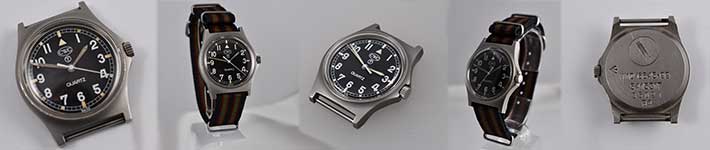
In the early 1970s, the Ministry of Defence introduced the W-10, a new standard-issue military watch. Originally made by Hamilton, and later by CWC (Cabot Watch Company), it featured a hand-wound ETA 2750 movement (17 jewels, 21,600 vibrations per hour).
Technical specifications of the original W-10
The W-10 had a matte black dial with Tritium hour markers (noted with a circled “T”), a dotted hour track, Arabic numerals, a triangle at 12 o’clock, and the Broad Arrow symbol. The 36 mm case was made of non-magnetic steel with fixed spring bars. Reference and issue numbers were engraved on the caseback.
Hamilton steps down, CWC takes over
Due to financial troubles affecting many Swiss and American watch brands, Hamilton withdrew from military contracts in 1976 to focus on civilian markets. CWC took over production of the W-10 for the British Army.
Arrival of the quartz era
By 1980, quartz technology was dominating the watch industry. The W-10 adapted, keeping its military styling but switching to battery-powered movements. This allowed slimmer cases and new technical variations to emerge over time.
Three major quartz W-10 variants
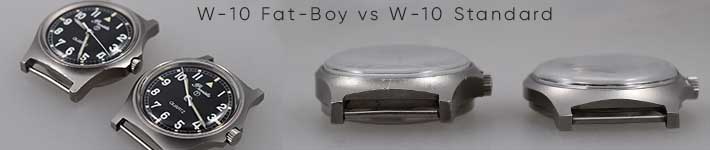
- Fat Boy (1982): A 13 mm thick version by Precista using the AS 536 quartz movement.
- Semi-Jumbo (1984): A slimmer 11.3 mm case by CWC using either Ronda 715 or ETA-ESA 947.111 quartz movements.
- Thin Case (post-1986): A streamlined 38.6 x 42 mm, 10.2 mm high case produced by both Precista and CWC until the late 1990s.
After a temporary halt, CWC was revived in the early 2010s, reissuing heritage-style military watches. These reintroductions reignited interest in the brand among collectors and active-duty personnel alike.
Special edition W-10s: rare and coveted
The G-10 Pegasus Airborne
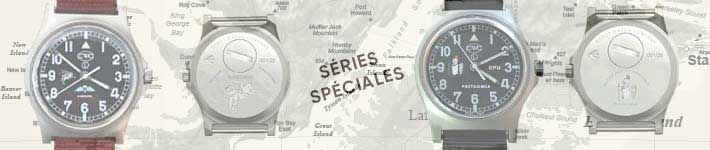
Released in 2020 to mark 80 years since the creation of the British Airborne Regiment, the G-10 Pegasus is an extremely limited edition — fewer than 100 pieces. It features the Pegasus emblem and airborne unit markings on both the dial and engraved caseback. It houses an ETA 955.102 quartz movement in a 38 mm, 5 ATM water-resistant case, with a brown NATO strap. It complies fully with UK military specs and was exclusively available to serving personnel.
The G-10 Progetimus CPU
This ultra-limited watch was issued to members of the British Close Protection Unit (CPU), akin to France’s GIGN or GSPR. Access to the watch required passing the elite Longmoor or Hereford training programs. Like the Pegasus, it remains unavailable to the general public.
Legacy and collectability of the W-10
The W-10 was issued across all British military branches — army, navy, and air force. It’s considered the last truly combat-deployed issued watch:
- Falklands War: Royal Navy and RAF W-10s saw active duty.
- Gulf War: SAS and Royal Navy forces wore W-10 quartz models.
Praised for their compact, durable design, W-10s have become a staple among military watch collectors. Their popularity has also reached civilian fashion scenes — even being spotted on the wrists of prominent women and influencers. Since Brexit, rising customs barriers have made them even rarer on the international market, increasing both their demand and value. Discover our pre-owned women's watches collection.
Share this content