The history of Seiko: from Kintaro Hattori’s workshop to modern watchmaking
...The Japanese watch brand that left its mark on the Seventies
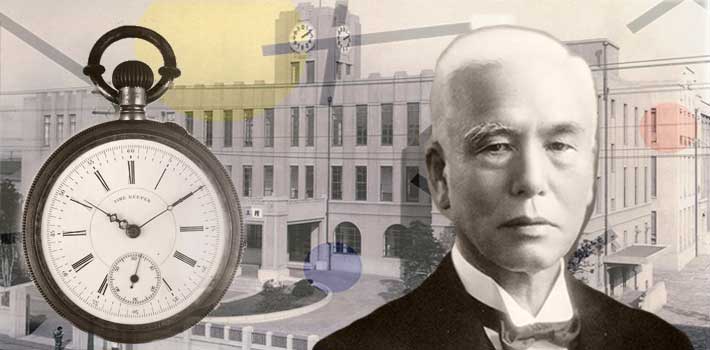
Founded in 1877 by Kintaro Hattori, Seiko revolutionized Japanese watchmaking by moving from traditional repairs to global innovation. From Japan’s first wristwatch to the world’s first quartz watch, Seiko’s journey reshaped the industry with bold designs, military precision, and international expansion — challenging Swiss dominance along the way.
The Origins of Seiko: From Workshop to Watch Manufacturer
Seiko became one of the leading forces in the Japanese watch industry by the mid-20th century. It played a major role in the Japanese commercial offensive of the 1970s, disrupting a global market long dominated by Swiss watchmaking.
Founded in Tokyo in September 1877 by Kintaro Hattori, the brand took a bold and innovative approach to the design and daily use of professional timepieces.
Hattori began traditionally, starting a clock repair workshop in his home. This evolved into a repair and sales shop, and in 1892, he founded Seikosha, meaning “House of Success”.
A visionary with a passion for mechanics, Hattori transitioned from repair to production by purchasing a large abandoned factory on the outskirts of Tokyo. In 1895, Seikosha released Japan’s first domestically made pocket watch, and in 1913, its first wristwatch: the Laurel.
Wartime Expansion and Industrial Growth
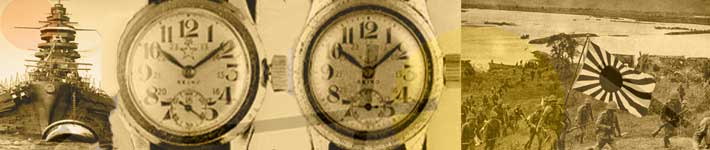
After the original factory was destroyed in 1923, it was rebuilt the following year. This marked a new era focused on manufacturing watches and precision instruments. During World War II, Seiko received orders from the Japanese military and navy for technical timepieces.
Military Timekeeping and Mass Production
By 1937, Seiko dramatically scaled up production with new factories and industrial assembly lines. It developed a wide range of models: on-board clocks, artillery chronographs, military watches, automotive and aviation timers.
This production supported the Japanese naval air force, including missions such as the attack on Pearl Harbor. In 1941, Seiko introduced its first pocket chronographs for naval and submarine forces.
Post-War Reconstruction and Technological Shift
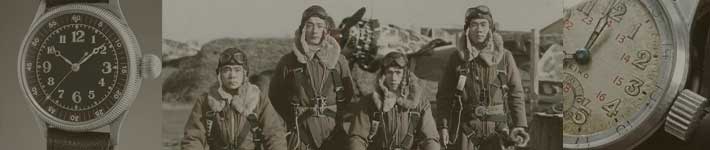
At the end of the war, only one of Seiko’s eleven factories had survived the intense American bombing campaigns. In the late 1950s, the company benefited from Japan’s national reconstruction efforts, initially focused on heavy industries before expanding to consumer goods.
Return of Skilled Labor and Process Innovation
Many skilled former soldiers and engineers returned to Seiko. Their expertise in mass production and user-centric improvement processes fueled a new phase of innovation. Seiko prioritized cost-effective, high-quality manufacturing practices.
Quartz Breakthrough and Dual Strategy
Research accelerated into new watch movements and technologies. By the late 1950s, Seiko was developing quartz clocks. The 1960s saw a dual strategy: high-end mechanical watches under the "Grand Seiko" label, and mass-market traditional models.
Global Recognition and Awards
Seiko earned numerous awards, including Best Automatic Wrist Chronometer in 1968. That year, over 200 observatory chronometers were certified by the Neuchâtel Observatory. In 1969, Seiko launched the Astron — the world’s first commercially available quartz watch.
The 1970s: Japanese Design and Global Expansion
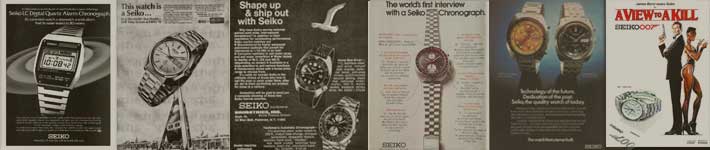
During the 1970s, design became a key to Seiko’s success. Influenced by European, American, and Scandinavian aesthetics, Japanese designers embraced the "kansei" philosophy: beauty with purpose.
The Japanese Economic Miracle
It was the era of global Japanese innovation: Sony’s Walkman, Datsun’s Z432, and Seiko’s iconic timepieces. The brand launched Kakume (“TV screen”) chronographs, dress-divers, bullhead models, accessible quartz chronographs, and early LCD watches.
Seiko’s Global Marketing Strategy
Seiko adopted a regional segmentation strategy, tailoring products to different markets. This efficient and adaptive model shook the Swiss watch industry, which was slow to respond to industrial scaling and consumer changes.
By the end of the 1970s, Seiko — alongside Citizen — had become a global leader in watchmaking. Many European brands were left behind, struggling with outdated production models and unstable supply chains.
.../...
to be continued
Share this content